
Foster homes are an important part of our work as a shelter. Fosters provide a loving home and care to an animal for a period of time while all expenses are covered by the shelter. We believe fostering is mutually beneficial for shelter animals and humans alike!
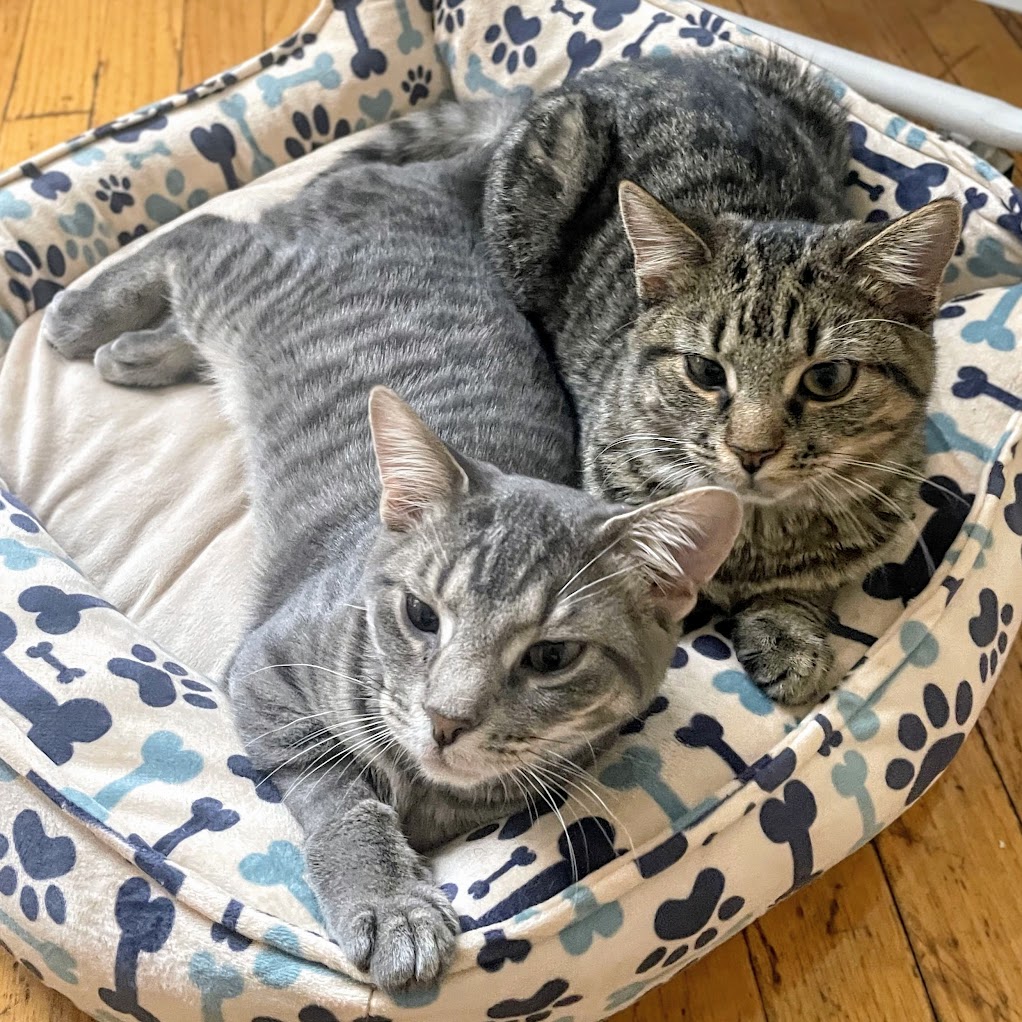
At the Evanston Animal Shelter, we place cats and dogs in foster homes for a variety of reasons:
Medical Issues: recovery from surgery or injury/illness, hospice care, severe emaciation
High-Needs Animals: bottle-fed kittens or puppies, animals part of abuse cases, animals with strict routines (feeding, meds, exercise, etc)
Behavioral Assistance: animals who need consistent training, separation anxiety, reactivity, resource guarding, litterbox habit, or simply to figure out the personality of the animal
Shelter Stress: animals who are not adjusting well to the shelter environment
Shelter Capacity: when the shelter is full, and we need to make space for more intakes
And many more reasons!
Being a foster means you are helping animals in need – by caring for an animal in your home and by freeing up additonal space in the shelter for homeless animals!
Fostering with Evanston Animal Shelter means providing a loving home for a cat or dog while they wait for their forever family. The shelter provides fosters with the supplies, veterinary care, and support needed to set the animal up for success.
Every case is different – some animals may only need a few weeks in foster care while others might spend months in a foster home before being adopted. We are open to both short- and long-term foster care placements.
Fill out our Foster Application below, and our staff will contact you to discuss potential placements.
Be 18 years or older
Have a valid ID
Be willing and able to provide the care and stability our animals deserve!
Q: How long is a typical foster period?
A: It varies from animal to animal. Some animals only need a couple of weeks in a foster home, while others spend months before they are adopted. Be sure to indicate on your foster application if you are open to providing short- or long-term foster care.
Q: How much time should I plan to spend with my foster animal?
A: Both cats and dogs are very social creatures. We believe the more positive experiences your animal has with humans, the more successful they will be! While leaving your foster animal for reasonable periods of time is important for their confidence and to minimize problems like separation anxiety, it is important that both their physical and emotional needs are met. These needs depend on the animal, and our EAS representatives are here to help!
Q: Do I need to find an adopter for my foster animal?
A: No, you do not need to find an adopter for your foster animal. Our Adoption Counselors and staff actively work on placing animals in their forever homes. Of course, we encourage you to talk about your foster animal with your friends, family, and network. Some of our best success stories come from word-of-mouth adoptions!
Q: I live in an apartment. Can I foster a dog?
A: Yes – as long as it’s okay with your building management! A common misconception is that dogs who live in apartments do not have fulfilling lives. While it may require more effort and planning to take your dog outside than it would if you had a backyard, this is not a reason we would deny your foster application. Some dogs have other issues like reactivity or stranger-danger that would make living in an apartment difficult. Our team will review your application and make sure you are placed with a dog who will do well in your living situation. We want to set you and your foster dog up for success!
Q: Can I adopt my foster animal?
A: Yes! We call this a foster fail, and we love to see it. Just make sure to let your EAS representative know you are interested in adopting your foster animal as soon as possible. Our Adoption Counselors and staff actively work behind the scenes to find adopters for our foster animals, so the earlier you let them know the better!
Q: Can I foster if I have other pets?
A: It depends on the animal – but yes! Our team will review your application and determine the best placement based on who lives in your household. Many of our animals in foster care have foster siblings they love and get along! We will provide support to make sure the placement is successful – from helping facilitate introductions to providing resources and training tips to help in the transition.
Q: What supplies do I need?
A: The shelter will provide you with food, supplies like litter, crates, collars and leashes, bowls, and more. Additionally, all vet appointments and associated costs are handled by the shelter through our preferred veterinary providers. All you need is space in your home for your foster animal!
Q: What if I can no longer foster the animal in my care?
A: We understand circumstances change. Please notify us as soon as possible so our team can work on coordinating care for the animal.